
The Rise of Everyday Creators: How Small Voices Shape Big Brands

Introduction: The Power of Small Voices
Not long ago, if a brand wanted to sell a product, it relied on big-name celebrities, glossy magazine ads, and prime-time television spots. One supermodel or movie star could influence millions overnight. Fast forward to today, and the game has changed completely.
Now, a social media creator with just 10,000 followers can create more engagement, loyalty, and even direct sales than a celebrity with millions of fans. Welcome to the world of micro-influencers — small voices with big power.
This shift isn’t just about numbers; it’s about trust, authenticity, and niche communities. Brands are learning that real people with real connections often make the biggest impact. This article explores why micro-influencers matter, how brands work with them, and what the future of influencer marketing looks like.
1. What Exactly Is a Micro-Influencer?
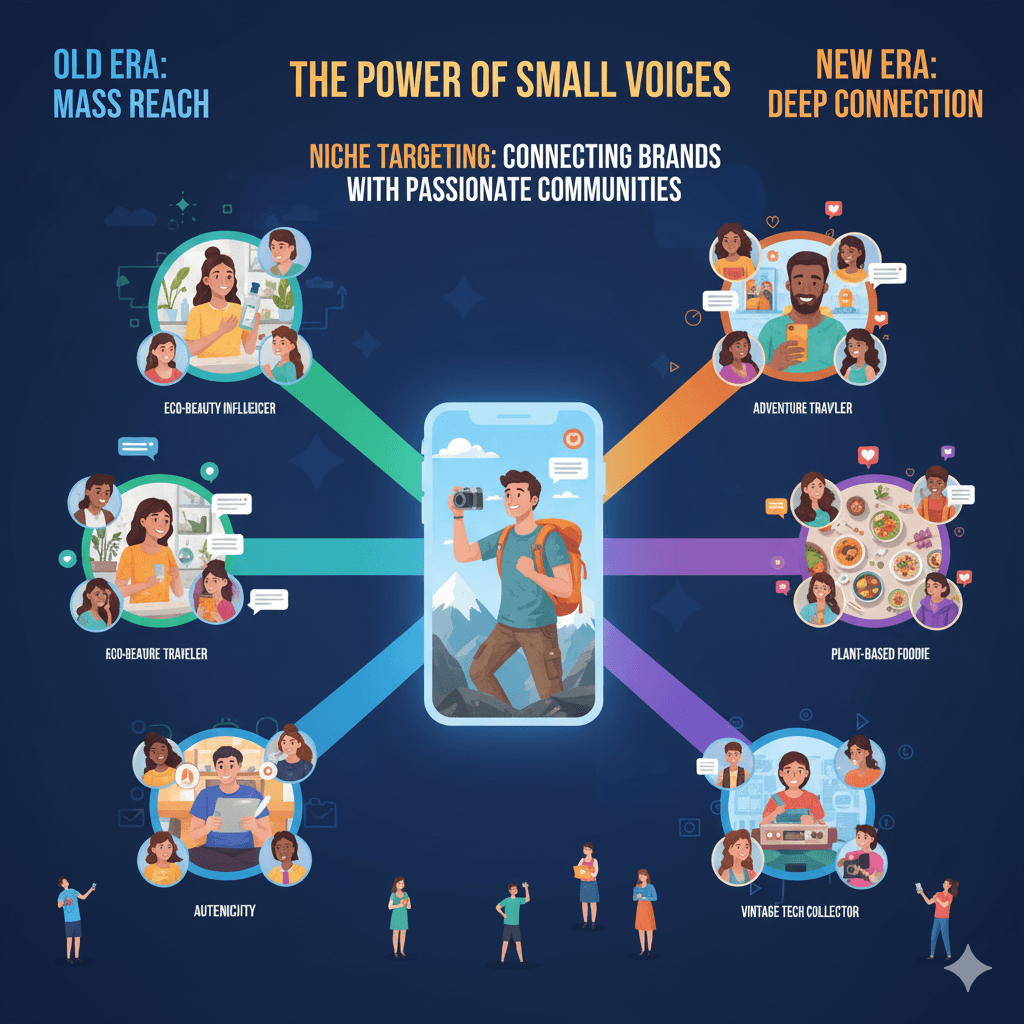
In the simplest terms, a micro-influencer is a social media creator who has between 1,000 and 100,000 followers. Unlike mega-celebrities or macro-influencers, micro-influencers tend to focus on specific niches like:
- Beauty and skincare
- Fitness and wellness
- Travel and lifestyle
- Gaming or tech
- Food and beverage
What sets them apart isn’t just follower count; it’s the strength of the connection they have with their audience. Micro-influencers are seen as peers, not distant stars. Their followers trust their opinions because they feel authentic and relatable.
Graf suggestion:
📊 Pie chart of influencer categories: Mega (1M+), Macro (100k–1M), Micro (1k–100k), Nano (<1k).
2. Why Micro-Influencers Are Driving Engagement
Authenticity and Trust
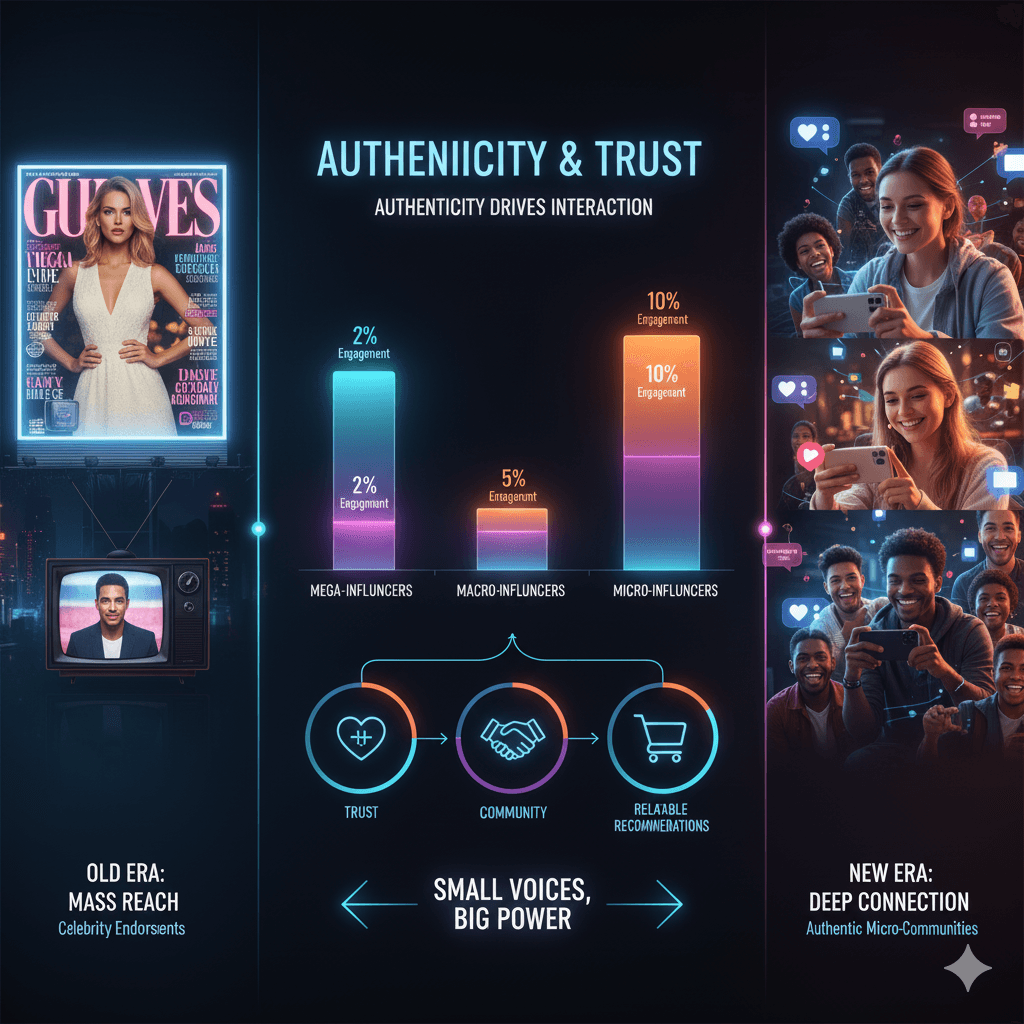
One of the most significant advantages of micro-influencers is authenticity. Followers don’t feel like they’re being sold to; they feel like they’re getting advice from someone they know.
Research shows that micro-influencers often have engagement rates of 2–10%, much higher than mega-influencers, whose followers may be largely passive. That means a smaller audience can generate more meaningful interactions, such as likes, comments, shares, and clicks.
Cost-Effective Marketing
For brands, working with micro-influencers is also budget-friendly. Instead of paying huge sums for celebrity endorsements, companies can collaborate with multiple small creators to reach the same or even better results.
Niche Targeting
Micro-influencers often dominate specific niches, making it easier for brands to reach exactly the right audience. For example:
- A vegan skincare brand might partner with a micro-influencer who posts exclusively about cruelty-free beauty products.
- A boutique travel agency could collaborate with a micro-influencer who shares offbeat destinations.
Graf suggestion:
📈 Bar graph comparing engagement rates: Mega vs Macro vs Micro vs Nano influencers.
3. Platforms That Fuel the Micro-Influencer Trend
Micro-influencers thrive across multiple platforms, each offering unique ways to connect with audiences:
- Stories, Reels, and posts allow micro-influencers to showcase products authentically.
- Features like polls, quizzes, and swipe-ups increase engagement.
TikTok
- Short-form videos allow creativity, humor, and authenticity to shine.
- Even a creator with 5,000 followers can go viral overnight.
YouTube
- Tutorials, reviews, and vlogs let influencers create longer, informative content for niche audiences.
Twitter / X
- Micro-communities, threads, and direct conversations allow real-time engagement with followers.
Graf suggestion:
📊 Pie chart showing platform popularity among micro-influencers.
4. Case Studies: Micro-Influencers Changing the Game
Some of the most successful brands today have leveraged micro-influencers to amplify their reach:
Daniel Wellington
The watch brand famously relied on hundreds of micro-influencers worldwide rather than a few big celebrities. By gifting watches and encouraging posts, they created a sense of personal recommendation that felt genuine.
Glossier
This skincare and beauty brand grew almost entirely through micro-influencer word-of-mouth marketing. Every day users sharing authentic experiences turned into a massive marketing engine.
TikTok Viral Campaigns
- Small creators can turn products into trends overnight.
- Example: A micro-influencer with 15,000 followers posted a creative dance featuring a new snack brand; within 24 hours, the product trended globally.
These examples show that big impact doesn’t require big numbers — it requires authentic engagement.
Graf suggestion:
📊 Bar graph showing ROI of micro vs macro influencer campaigns.
5. How Brands Collaborate with Micro-Influencers
Brands use micro-influencers in several ways:
Sponsored Content
Paying creators to post about products or services, often with guidelines but allowing them creative freedom.
Affiliate Marketing
Give influencers a unique promo code or link to track sales.
Product Seeding & Giveaways
Sending free products to influencers in exchange for honest reviews or content creation.
Long-Term Partnerships
Some brands create brand ambassadors — micro-influencers who promote products consistently over months, fostering credibility and trust.
Tip: Brands succeed when they allow influencers to tell stories naturally instead of pushing sales-heavy messages.
6. The Psychology Behind Micro-Influencer Power
Social Proof
People trust peers more than celebrities. Seeing someone relatable use a product convinces followers it’s worth trying.
FOMO (Fear of Missing Out)
Micro-influencers create tight-knit communities. When a product is popular within that group, followers feel compelled to participate.
Human Connection
Micro-influencers often reply to comments, engage in DMs, and interact personally. This two-way communication strengthens loyalty.
Graf suggestion:
🧠 Infographic showing reasons followers trust micro-influencers more than celebrities.
7. Challenges in Micro-Influencer Marketing
Despite the benefits, working with micro-influencers comes with challenges:
- Finding the right fit: Not all micro-influencers align perfectly with brand values.
- Measuring ROI: Small audiences make tracking impact harder, though tools are improving.
- Fake Followers: Some influencers inflate numbers, which can mislead brands.
- Scaling Campaigns: Managing dozens or hundreds of small creators requires coordination.
Brands must vet influencers carefully and focus on engagement quality over follower count.
8. The Future of Micro-Influencer Marketing
The trend shows no signs of slowing down. Some key directions:
AI Tools
Platforms like Upfluence and AspireIQ help brands discover and manage influencers efficiently.
Nano-Influencers
Creators with under 1,000 followers are gaining attention for ultra-targeted campaigns.
Integration with E-Commerce
Instagram Shop and TikTok Shopping allow micro-influencers to drive direct sales within the app.
Hybrid Campaigns
Brands are mixing micro and macro influencers for maximum reach and engagement.
Graf suggestion:
📊 Timeline infographic showing growth of micro-influencers (2010 → 2025).
9. Real Impact: Why Small Voices Matter
Micro-influencers are not just a marketing fad — they reshape brand perception.
- Followers perceive their recommendations as genuine.
- Engagement is higher and more meaningful.
- Campaigns are cost-effective and scalable.
Brands that embrace micro-influencers wisely can build loyal communities, amplify reach organically, and stay relevant in a noisy digital landscape.
10. Conclusion: Small Voices, Big Changes
In today’s digital-first world, authenticity beats fame. Micro-influencers prove that you don’t need millions of followers to make a real impact.
Their power lies in:
- Niche expertise
- Trustworthiness
- Engagement with real audiences
For brands, ignoring micro-influencers is no longer an option. The rise of these small voices signals a fundamental shift in marketing: it’s not about who shouts the loudest, it’s about who connects the deepest.
As social media continues to evolve, micro-influencers will remain at the heart of brand strategy — showing that small voices can truly shape big brands.