
The Future of Sustainable Engineering in Urban Development

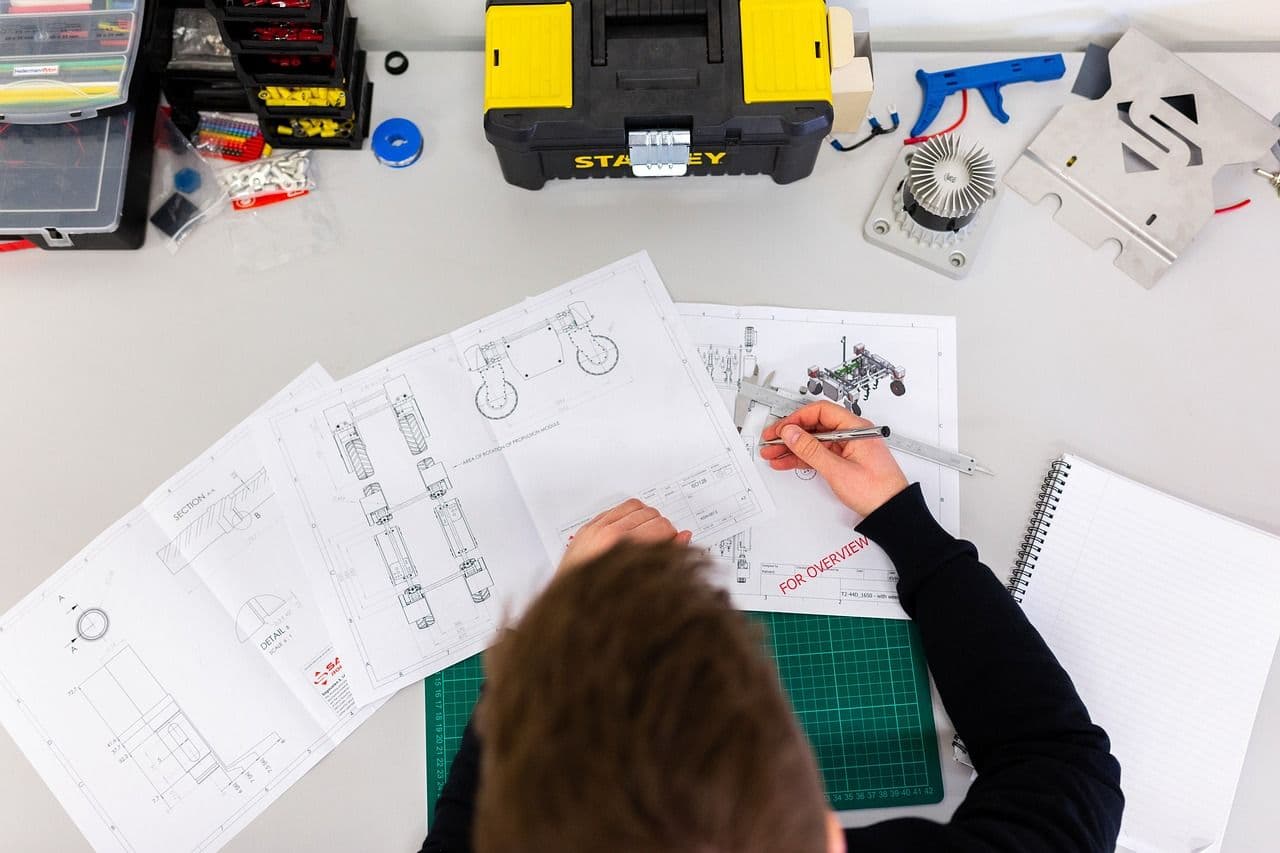
These days, building cities isn’t just about concrete and steel; it’s about doing it smarter, cleaner, and in a way that works for both people and the planet. That’s where sustainable engineering comes in: designing everything from buildings to transport and energy systems to be efficient, fair, and climate-ready.
It’s not just buzzwords, it’s real solutions like homes that stay cool naturally, transit that doesn’t pollute, and systems built to handle floods or heatwaves. In this piece, we’re diving into how engineers are reimagining urban life using smart tech, green design, and a whole lot of collaboration.
Why It Matters: Urban Life, Pressure, and the Planet
Cities are getting crowded fast. More than half the people on Earth already live in one, and in another couple of decades, that number’s expected to jump even higher. It’s exciting, yeah, but also kinda overwhelming when you think about what it means. More buildings. More roads. More electricity. More of everything. And with all that comes stress on water, energy, waste systems, and the people who have to live through it.
This rapid urban development is stretching our limits. Cities chew through resources like crazy something like three-quarters of what the planet has to offer and they pump out most of our global emissions. It’s not just traffic jams and smog anymore. It’s serious stuff: heatwaves that turn concrete into ovens, overloaded drainage after five minutes of rain, and folks stuck without access to even basic comforts. And if we don’t rethink how cities are built and managed, we’re just going to make it worse.
Now, a lot of leaders and governments are stepping up talking about net-zero targets and climate action plans. Which is great! But let’s be real: words and promises don’t build cooler, cleaner, or safer cities. Engineering does. Thoughtful, people-first design, grounded in science and data but also rooted in community need. That’s the real bridge between big global climate goals and the sidewalks we walk on every day.
Sustainable engineering solutions isn’t just about flashy tech or carbon numbers; it’s about making cities that actually work. And not just for the lucky few, but for everyone. If you’re someone passionate about shaping cities or looking to step into this space, checking out the right engineering courses in India can be your first step toward making that difference.
Smarter Ways to Build: From Off-Site to On-Point
Let’s talk buildings. Traditional construction? It’s messy, slow, and wasteful. That’s why more places are turning to modular and prefabricated systems, think homes and offices built like puzzle pieces in a factory, then snapped together on-site. It saves time, cuts down waste, and, honestly, just makes sense. Countries like Sweden and Japan have already gone big on it, especially for affordable housing.
And speaking of building better, there’s a growing push to rethink what we build with. Embodied carbon (basically all the emissions it takes to make and deliver materials) matters just as much as the energy used once the building’s done. New tools like EcoSphere help track the full carbon story of a building from the first brick to its final breath.
Meanwhile, timber’s having a comeback. Not the flimsy stuff, but mass timber, like cross-laminated wood used in tall buildings. It’s light, looks great, and bonus it stores carbon instead of releasing it. Whole neighborhoods are being built this way, and it's giving concrete and steel a run for their money. If this sort of innovation excites you, explore some of the top engineering universities in India that offer hands-on learning in sustainable construction and urban tech.
Rethinking What Already Exists
Sometimes the greenest building is the one that’s already standing. Retrofitting or upgrading old structures with better insulation, efficient systems, and renewable energy can do wonders. Instead of tearing everything down and starting over, it’s about working smarter with what we’ve got. Think of an old warehouse turned into a cozy shared space, or a 1970s apartment block now powered by solar.
This kind of approach saves carbon, cuts waste, and often costs less too. Plus, it keeps some character in our neighborhoods because not everything needs to be shiny and new.
Certifications: More Than Just Stamps
Okay, we’ve all seen the green building labels LEED, BREEAM, GRIHA, and the like. They’re more than just bragging rights. They actually push developers and engineers to measure what matters: how much energy a place uses, how much waste it produces, even the quality of the air inside.
Life-cycle assessments (LCA) help make sense of a building’s environmental footprint from materials to demolition. And when cities bake these into regulations or reward systems, they shift the whole industry in the right direction.
Plugging Into Clean Energy
Now, let’s talk power. Fossil fuels? Yeah, they’ve had their time. Cities are now investing in solar rooftops, community wind farms, and even geothermal heating systems that draw warmth straight from underground. It’s happening in bits and pieces pilots in India, prototypes in Europe but the shift is real.
And it's not just about generation. Smart grids are changing how electricity flows through cities using sensors and software to adjust supply, avoid overloads, and handle solar or wind without hiccups. Some cities even have microgrids tiny energy networks that can keep the lights on during blackouts.
When paired with batteries, they’re lifesavers, especially in places where the main grid’s spotty. You’ll see this shift play out in real-time if you explore India’s booming clean energy sector and many new-age engineering entrance exams now include sustainability-focused curriculum and problem-solving approaches. So if you're gearing up to enter the field, start brushing up now.
Policies, Codes, and Money Talk
Even the best engineering ideas don’t go far without policy backing. Cities need clear goals net-zero by 2030, say and rules to support them. Building codes that require energy-efficient design, solar-ready rooftops, and electric vehicle plugs. Tax breaks and carbon credits for doing the right thing.
Places like Europe have Nearly Zero-Energy Building (NZEB) standards that set the bar high. India’s working on it too, with things like the Low Carbon Construction Code. With the right mix of rules and incentives, even big developers start to play ball.
Waste, Water & Circular Thinking
Urban waste is shifting too. Some cities are running waste-to-energy plants that turn garbage into electricity. Others are going circular composting kitchen scraps, recycling plastics, and cutting what goes to landfills. It’s not perfect, but every step helps.
Water’s a biggie. Permeable pavements, bioswales, and dual-pipe systems (so you don’t flush clean water down the toilet) are becoming more common. Cities like Perth are leading the charge, using every drop wisely. Floods and droughts are two sides of the same coin and smart water design helps with both.
Regenerative Cities: Closing the Loop
The dream? Cities where nothing goes to waste. Where buildings share energy, factories clean and reuse water, and food scraps grow veggies in rooftop gardens. Regenerative urban systems do more than just reduce harm they give back. Engineers are now designing buildings that help power their neighbors or process their own greywater. It’s not fantasy it’s happening.
Places are setting up local innovation zones, building with biomaterials, and even testing micro-facilities that turn small-scale waste into energy or fertilizer. It’s small-scale, but it’s scaling.
Nature Finds a Way In Cities, Too
Greenery matters. Green roofs, living walls, and urban parks do more than look pretty. They help cool the city, soak up rain, filter the air, and give bugs and birds a home. Some places even mandate green roofs now like Tokyo or Toronto.
And then there’s the sponge-city concept designing places to absorb water instead of just draining it. Think parks that double as flood buffers, streets with secret storage tanks underneath, and paths that let rain sink through. Singapore, Berlin, and a few others are doing it right.
The Hard Bits: Money, Politics & People
Let’s be real it’s not all smooth sailing. Sustainable stuff can be pricey upfront. Solar panels, mass timber, smart grids they don’t come cheap. But that’s where green bonds, public-private partnerships, and climate funds step in. If we can shift how we finance projects, we can unlock way more.
Politics? Yeah, that gets tricky. Mayors change, laws clash, priorities shift. One department wants green rooftops, another’s worried about zoning limits. Getting everyone on the same page takes time and trust. Some cities are trying “sustainability agreements” across departments to keep plans moving even if leadership changes.
And most importantly: inclusion. If we’re not careful, all this “green” stuff can push vulnerable people out raising rents, displacing families. That’s why community engagement is key. Listening sessions, open design workshops, real local input. Because no one should be left behind in a greener city.
Looking Forward: What Needs to Happen Next
There’s still work to do. We need:
- Cheaper timber and prefab tech.
- Digital twin tools that smaller cities can actually use.
- Affordable microgrids for remote or off-grid communities.
Governments, universities, startups they all need to work together. And policies must back it up with strong codes, faster approvals for retrofits, and incentives that make sense.
Most importantly? We need to scale what’s working. Highlight success stories timber towns in Sweden, IoT heat mapping in Indian cities and help others copy, tweak, and improve them. Networks like C40 Cities and UN-Habitat are already pushing that, but we’ve got to move faster.
Because the clock’s ticking. And the cities we build today will shape life for generations. Let’s make sure they’re worth living in for everyone.
Conclusion
The truth is, sustainable engineering isn’t just a “nice-to-have” anymore. With cities growing like crazy and the climate acting up, it’s become something we have to do. Modular buildings that snap together like Lego blocks and waste less? Yes, please. Energy grids that adjust automatically when the sun's out or the wind kicks in? That’s the kind of stuff that makes a city ready for the future.
And let’s be honest: no amount of fancy tech means much without good governance and real investment in communities. It’s not just about the machines it’s about making sure everyone, not just the folks with the best ZIP codes, gets to live in a clean, safe, and decent place. That’s what engineering in urban development should be about.
So yeah, the road ahead? It’s all about connecting the dots tech, policy, money, and people. If we can pull that off, our cities can be greener, healthier, and more just. That’s the hope anyway. That’s the real future of engineering in urban development and it is because of sustainable engineering solutions.