
Smiles in 3D: The Future of Dental Prosthetics Is Now

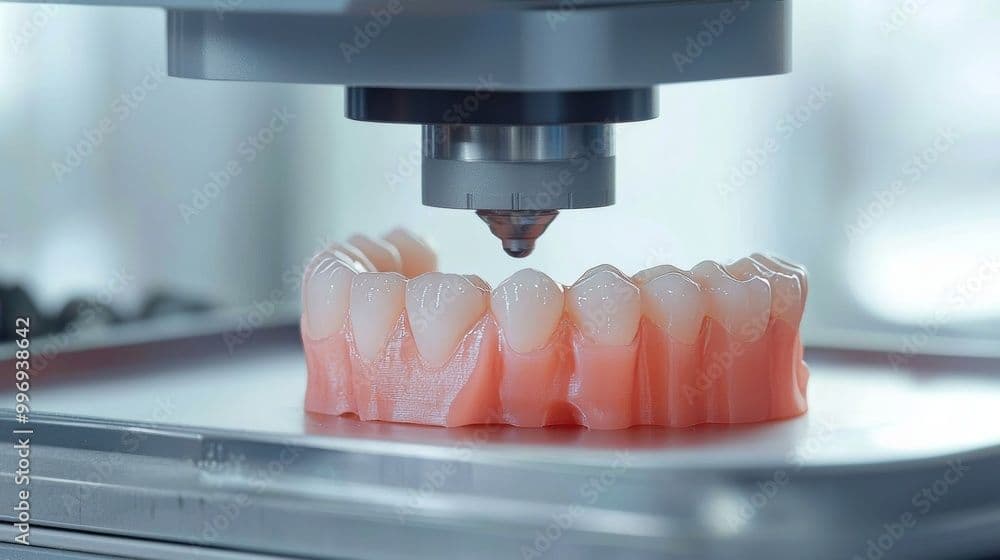
Imagine stepping into a dental clinic with a chipped tooth or a missing molar and walking out the same day with a perfectly matched replacement. This isn’t just a dream. It’s the power of 3D printing in modern dentistry, transforming the way we create and fit dental prosthetics.
For dental students and future professionals, understanding this groundbreaking technology isn’t only exciting it’s absolutely vital. Let’s explore how 3D printing is reshaping dental prosthetics and why it’s essential for you and your future patients.
A Flawless Fit, Every Time
Traditionally, crafting crowns, dentures, and bridges has been a meticulous process. Patients often faced multiple visits, uncomfortable molds, and long waits while labs fabricated their prosthetics. Even then, the results weren’t always as precise as they could be.
3D printing changes this paradigm entirely. Using digital scans of a patient’s mouth, dentists can design prosthetics with remarkable accuracy. The design is then printed layer by layer using specialized, biocompatible materials. The benefits are undeniable:
- A prosthetic that fits like a glove
- Less time spent on adjustments
- Restorations that look incredibly natural
As you enter this field, you’ll discover how this precision builds trust. Patients will appreciate knowing their prosthetics feel like their own teeth from the very first day.
Speed That Amazes
One of the biggest frustrations patients have with traditional prosthetics is how long it all takes. With 3D printing, production time shrinks from weeks to mere hours.
For example:
- A cracked crown can be scanned, printed, and placed in a single visit.
- Custom dentures that once took several appointments can be completed in just days.
- Surgical guides for implants can be printed quickly, enhancing safety and success rates.
This efficiency benefits patients while streamlining your future workflow, reducing costs, and freeing up time for more complex procedures.
Unmatched Customization
Think of the last time you saw dentures that looked obviously artificial. 3D printing addresses this problem head-on by enabling truly personalized designs:
- Exact shape and contour to match a patient’s natural teeth
- Blended shades for a flawless color match
- Subtle texturing for an authentic look
This level of personalization dramatically boosts patient confidence and satisfaction making your care feel genuinely tailored.
Learning to Work Smarter
3D printing doesn’t replace the role of the dentist it enhances it. Dental schools are increasingly incorporating CAD/CAM design and 3D-printing workflows into their programs. By learning these skills early, you’ll be prepared for:
- Digital impressions and modeling
- In-house prosthetic production
- Faster, evidence-based treatment planning
Mastering this technology will make you a standout candidate when you enter the workforce.
Making Care More Accessible
Perhaps most importantly, 3D printing has the potential to lower costs. With quicker production and less manual labor, practices can offer high-quality restorations at more affordable prices. This accessibility is especially important in communities where financial barriers limit access to care.
What’s on the Horizon?
3D printing in dentistry is still evolving. Researchers are exploring innovative materials like ceramic composites and bioresorbable polymers that could make implants stronger, lighter, and even promote bone regeneration.
Some labs are experimenting with combining artificial intelligence and 3D printing to create smarter, more precise designs imagine custom orthodontic aligners or prosthetics that adapt over time.
As a dental student, you’re stepping into a profession where innovation is moving faster than ever.
Why It Should Matter to You
If you’re passionate about delivering care that’s efficient, precise, and patient-centered, 3D printing is a transformative force you can’t ignore. Whether you plan to specialize in prosthodontics, oral surgery, or general practice, these tools will soon be as essential as digital X-rays and intraoral cameras.
In other words, the future of dentistry is already here and it’s being brought to life in 3D.
Ready to Dive Deeper?
Look for opportunities to engage with 3D-printing technology in your dental program or externships. The sooner you immerse yourself in these skills, the better equipped you’ll be to lead this exciting transformation.
Smile bright because in the world of 3D printing, every patient’s grin can truly be a masterpiece!