
NMC Faces Scrutiny Over Non-Payment of Stipends in 60 Medical Colleges

An RTI inquiry has revealed that 60 medical colleges in India are not disbursing stipends to their interns and residents. The National Medical Commission (NMC) faces criticism for its perceived inaction and shifting responsibility to state authorities.
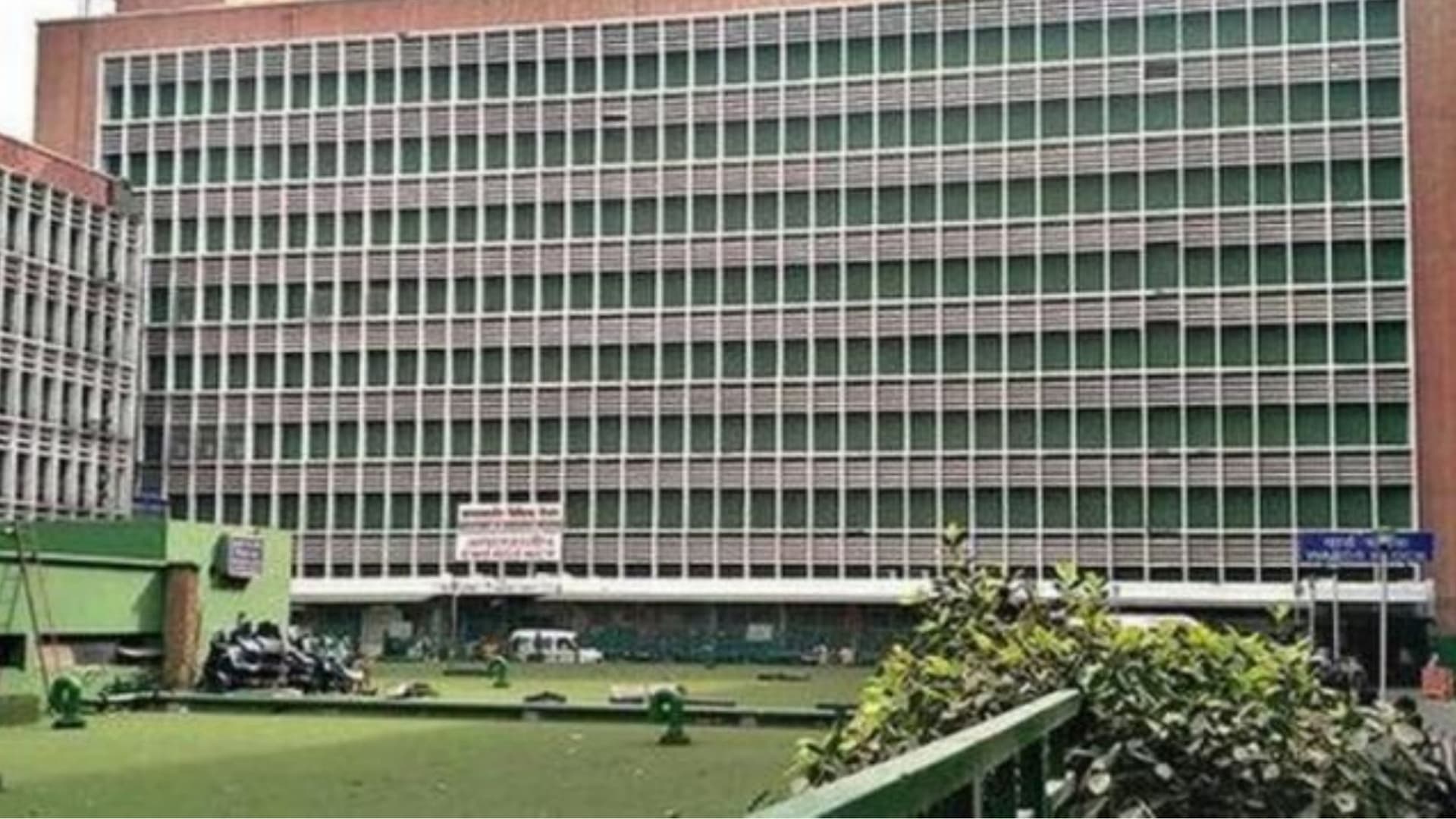
A recent Right to Information (RTI) request has uncovered that 60 medical colleges across India have failed to provide stipends to their undergraduate interns, postgraduate residents, and senior residents. This revelation has sparked a debate over the National Medical Commission's (NMC) role in enforcing stipend regulations and ensuring compliance among medical institutions.
Extent of Non-Payment of Stipends
Scope of the Issue: Out of over 500 medical colleges surveyed, 60 institutions have not paid stipends to their medical trainees. This group comprises 33 government-run colleges and 27 private institutions.
Regulatory Background: NMC regulations mandate that all medical colleges must compensate their interns and residents. Non-compliance can lead to penalties, including fines up to ₹1 crore and withdrawal of accreditation for up to five academic years.
NMC's Response and Shifting Accountability
Initial Actions: In November 2024, the NMC issued show-cause notices to 198 medical colleges for failing to submit stipend payment details. Despite these notices, concrete actions against non-compliant institutions remain undisclosed.
Delegation to State Authorities: The NMC has recently stated that enforcement of stipend payments falls under the jurisdiction of state authorities, despite possessing the regulatory power to penalize non-compliant colleges.
Legal and Ethical Implications
Supreme Court Directives: The Supreme Court has consistently ruled that both government and private medical colleges are obligated to pay stipends to their trainees. The NMC's deflection of responsibility to state authorities raises questions about adherence to these directives.
Transparency Concerns: RTI activists have criticized the NMC for its lack of transparency. In response to RTI applications, the NMC has often cited legal constraints, stating that matters are sub judice, and has refrained from disclosing specific actions taken against erring institutions.
Conclusion
The issue of non-payment of stipends in 60 medical colleges highlights significant gaps in regulatory enforcement and accountability. As the primary regulatory body, the NMC's reluctance to exercise its authority and its delegation of responsibility to state authorities have drawn widespread criticism. Ensuring fair compensation for medical trainees is essential for maintaining the integrity and quality of medical education in India.