
Design Aspirants Shift Focus From Exams to Portfolio and Interview Readiness
Published 30 Jan 20264 min read173 Views
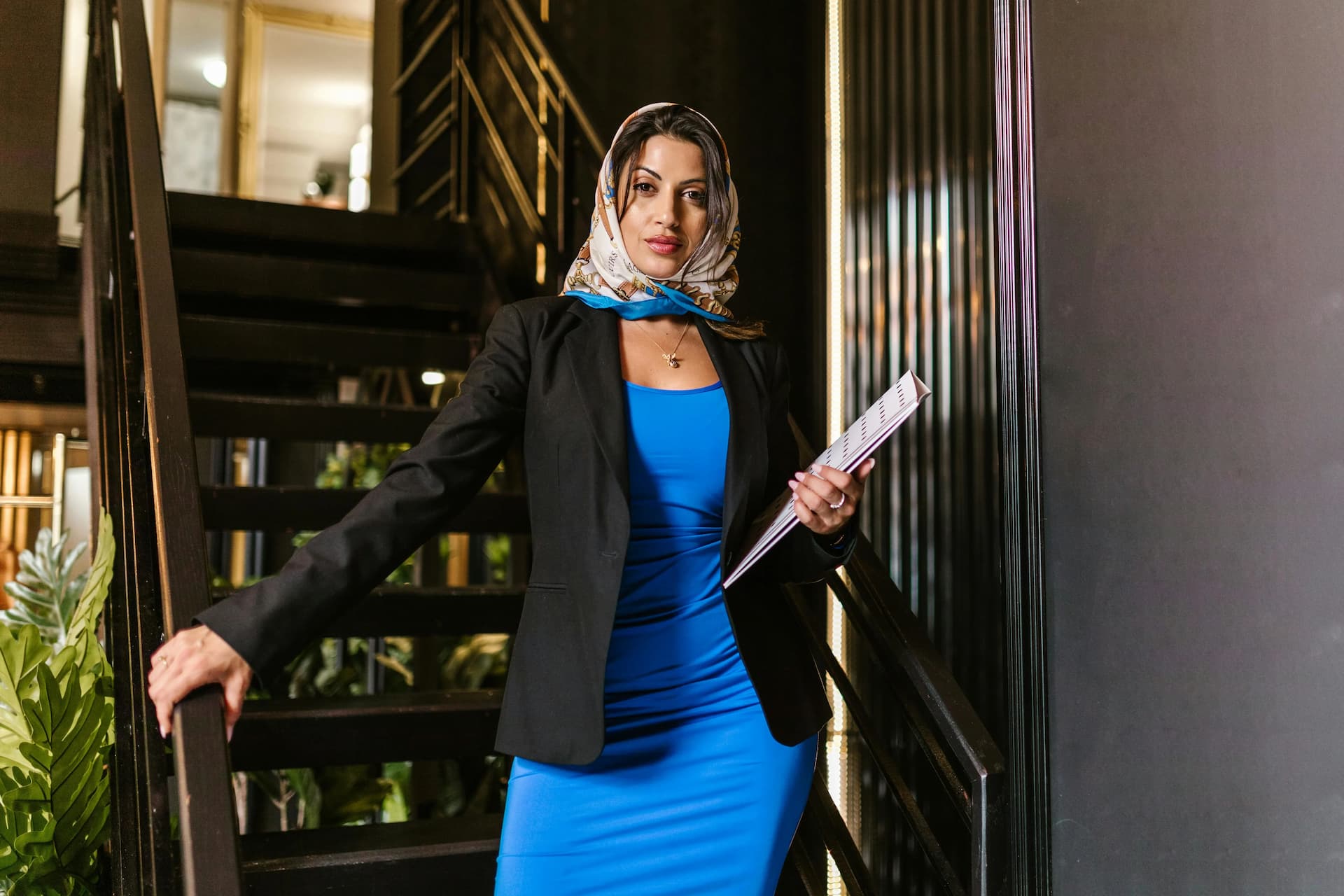
Following the completion of major national-level entrance tests in January 2026, the focus for design aspirants has moved toward the subjective components of the admission cycle. While the initial rounds tested analytical and basic creative skills, the upcoming stages are designed to evaluate a candidate’s unique design thinking and technical execution. Institutes such as the National Institute of Design (NID) and various IITs require students to present a body of work that reflects their personal style and problem-solving capabilities.
- The completion of the UCEED and NID DAT Prelims in late December and mid-January has cleared the way for advanced preparation.
- Portfolio development is now the primary activity for students aiming for the Bachelor of Design (B.Des) programs.
- Many students are seeking professional feedback to ensure their creative work meets the institutional standards of top design schools.
- The evaluation criteria for the second stage often carry significant weightage in the final merit list.
Portfolio Development and Studio Test Readiness
The portfolio is a curated collection of a candidate's best work, showcasing their journey through various mediums such as sketching, digital art, and 3D modeling. Along with the portfolio, many institutes conduct a Studio Test or Situation Test, where students must create models or solve design problems using provided materials under a strict time limit. As of 30 January 2026, coaching centers and independent aspirants are intensifying their hands-on practice sessions for these practical rounds.
Component | Focus Area | Assessment Method |
Portfolio | Originality & Diversity | Digital or Physical Submission |
Studio Test | Material Handling | On-the-spot Model Making |
Interview | Communication Skills | Personal Interaction with Faculty |
Situation Test | Creative Innovation | 3D Visualization of Concepts |
- Successful portfolios often include a mix of observational drawings, creative writing, and project-based work.
- Studio tests specifically measure a candidate's ability to manipulate materials like clay, wire, and paper.
- Students are practicing time-management skills to ensure they can complete complex physical models within the allotted two to three hours.
- Digital portfolios are being optimized for online submission portals, adhering to specific file size and format requirements.
Preparing for Personal Interviews and Interaction
The final stage for many design programs is the personal interview, where faculty members interact with candidates to gauge their passion and suitability for the course. This interaction allows the admissions committee to look beyond the scores and understand the candidate’s vision as a future designer. Preparation for this stage involves refining the ability to articulate the thought process behind each piece in the portfolio.
- Mock interviews are being conducted to help students build confidence in explaining their design choices.
- Candidates are researching the specific specializations offered by different campuses to align their interview answers with the school’s philosophy.
- Understanding current design trends and global icons in the industry is often a key part of the interview discussion.
- The focus remains on maintaining a balance between technical knowledge and a genuine creative personality.
Conclusion
The transition from written exams to the preparation for portfolios and interviews represents a shift in the nature of the design entrance process. Aspirants are now focusing on the qualitative aspects of their applications, ensuring that their creative identity is effectively communicated to the examiners. With the results of the preliminary rounds scheduled for release in the spring, the current month serves as a vital period for building the practical skills necessary for the final selection stages. The successful integration of technical ability and personal narrative in the portfolio will play a decisive role in securing a seat in the 2026 academic session.